Wildlife Habitat Management and Consulting
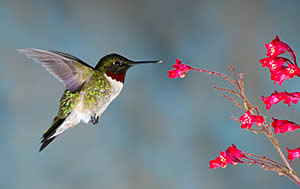 Many wildlife species need the proper mix of food, cover, land and water to maintain healthy populations. Properties that have been converted from farmland to natural growth diminish the chances for wildlife species to sustain themselves.
Native birds such as quail and turkey need grasses mowed to attract insects for young birds to eat. Other species need cover to be protected from predators. By using sound wildlife management practices, your property can be a source of an abundance of species and attract species that have moved from the area.
Instead of using feeders that can spread diseases to attract wildlife, our Wildlife Experts can restore the flora that will benefit the different species in your area.
Wildlife is one of our most precious resources and nothing can replace them. By providing them with the appropriate conditions, they will flourish. Let us assist you and make a plan for you wildlife habitat management and consulting.